In My Cowboy Era Groovy T-shirt Design
When I sit down to evaluate a new digital asset for my embroidery studio, I am rarely looking for just another pretty picture. I am looking for viability. I need to know if a design will stitch cleanly, hold up to the wash, and actually sell to a customer who is tired of seeing the same generic motifs on every Etsy listing. That is exactly why In My Cowboy Era Groovy T-shirt Design caught my eye. It sits at that interesting intersection of retro nostalgia and modern craft trends, offering a unique personality that feels both playful and polished. But does it translate well from screen to needle? Let us look at this through the lens of a professional decorator preparing for a busy season.
First Impressions and Visual Personality
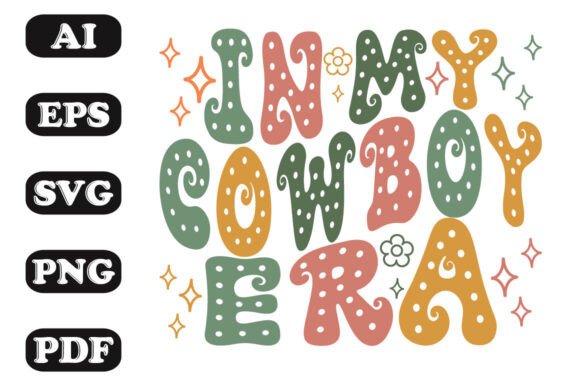
The moment you load In My Cowboy Era Groovy T-shirt Design, the mood shifts. It captures that specific "groovy" aesthetic—think warped fonts, warm earth tones, and a relaxed, 70s-inspired vibe—but applies it to a theme that has enduring appeal. The cowboy motif is not just about western wear; it represents freedom, adventure, and a touch of rustic charm. When combined with the groovy typography, it creates a visual tension that is engaging without being chaotic.
From a design perspective, the layout feels balanced. There is enough negative space around the central elements to allow for clean stitching, which is critical when we are moving from a static graphic to a textured fabric medium. The visual personality suggests versatility. It does not scream "loud party shirt"; rather, it whispers "curated boutique find." This subtlety is often what separates a mass-produced item from a high-quality handmade product. For an Etsy seller or a small shop owner, this distinction is everything. Customers trust designs that feel intentional, and this design delivers that sense of curation immediately.
Real-World Application: From Screen to Stitch
Let me take you through a practical scenario. Imagine I am prepping for a holiday gift collection for a local boutique. I need items that feel personal but have broad appeal. I decide to use In My Cowboy Era Groovy T-shirt Design on a soft, oatmeal-colored sweatshirt for a young entrepreneur who loves travel and outdoor aesthetics. Alternatively, I might adapt this for a set of embroidered kitchen towels for a housewarming gift, or even a sturdy canvas tote bag for a craft fair vendor.
When I visualize the embroidery project, the design shines because of its thematic flexibility. On a sweatshirt, the groovy text pairs beautifully with a slightly heavier stabilizer to prevent puckering, creating a premium feel. On a tote bag, the design acts as a bold statement piece, leveraging the durability of the canvas to support any dense fill areas. Even on baby clothes, where the trend for "mini-me" fashion is huge, this design offers a sweet, nostalgic nod to parents who grew up with similar aesthetics. It works as a personalized gift because it allows for customization in thread colors while maintaining the core integrity of the artwork.
The design also translates well to accessories. An embroidered patch featuring elements of this graphic could be added to denim jackets or baseball caps, extending the life of the garment and adding a layer of DIY flair. For commercial embroidery projects, such as branded merchandise for a music festival or a country-themed event, this design provides a ready-made solution that requires minimal tweaking to fit the brand identity.
Where Caution Is Required
However, no design is perfect for every surface, and as a reviewer, I must highlight where In My Cowboy Era Groovy T-shirt Design might face challenges. The primary concern lies in the complexity of the lettering and any fine decorative accents inherent in the "groovy" style. If the original file contains intricate curves or tiny details, these can become muddy during the stitching process, especially if the stitch density is too high for the fabric weight.
I would advise against using this design on highly textured fabrics like heavy boucle wool or very thin, stretchy jersey knits without proper stabilization. On stretchy fabrics, the distortion of the groovy font could make the text difficult to read, ruining the visual impact. Similarly, on curved surfaces like the front panel of a cap, the design needs to be carefully scaled and positioned to avoid distortion at the edges. If the design includes small, isolated details, ensure your machine’s hooping stability is robust enough to keep those stitches crisp.
Another consideration is color contrast. Since this design likely relies on specific color palettes to achieve its retro look, testing it on dark fabrics is crucial. Dark backgrounds can swallow lighter thread colors, so you may need to add a backing layer or choose brighter thread options to maintain visibility. Always inspect the design in black and white mockups first to ensure the shapes remain distinct regardless of color.
Practical Designer Notes for Success
To get the best results from this digital embroidery file, follow these practical steps before committing to your final product:
- Test on Scrap Fabric: Never assume a design will stitch perfectly on the first try. Run a test on the exact fabric type you plan to use. This helps you identify potential issues with thread colors or tension adjustments.
- Check Hoop Size and Stability: Ensure the design fits comfortably within your intended hoop size. Use the appropriate stabilizer for your fabric weight; tear-away for wovens, cut-away for knits and stretchy materials.
- Review Stitch Types: Look closely at the breakdown of satin stitch, fill stitch, and running stitch. Satin stitches on wide curves can sometimes break if the underlay is insufficient. Fill stitches should be checked for density to avoid a bulky, stiff finish.
- Confirm Licensing: Before selling finished items, verify the license terms associated with the file. Some design assets are for personal use only, while others allow commercial sales. Clear licensing protects your business and builds trust with your customers.
- Create Printable Mockups: Use the provided files to create realistic previews. Seeing the design on a rendered sweatshirt or tote bag helps you present the product more effectively to buyers.
Final Verdict on Value and Appeal
In My Cowboy Era Groovy T-shirt Design is more than just a graphic; it is a versatile tool for creative entrepreneurs. Its strength lies in its ability to evoke emotion and nostalgia while remaining visually clean enough for high-quality execution. It enhances the perceived value of a handmade product by adding a layer of artistic intent that generic clip art simply cannot match.
For craft business owners, this design offers a strong foundation for seasonal collections, particularly around holidays, summer festivals, or western-themed events. It appeals to a wide demographic, from hobbyists looking for fun projects to serious decorators building their brand portfolios. By paying attention to the technical details—hoop size, stabilizer choice, and thread selection—you can transform this digital file into a tangible, desirable finished product that customers will love.
In summary, if you are looking to expand your inventory with designs that blend retro charm with modern craftsmanship, this is a worthy addition. Just remember that great embroidery is about preparation. Test thoroughly, respect the fabric, and let the design’s unique personality shine through. Whether you are creating a one-off custom apparel piece or scaling up production for your online store, In My Cowboy Era Groovy T-shirt Design provides the visual punch needed to stand out in a crowded market.