Skeleton Cowboy with Usa Backdrop Embroidery Design Review
As an experienced embroidery designer and product reviewer, I always approach a new design with a critical eye for how it will translate from screen to fabric. Skeleton Cowboy with Usa Backdrop caught my attention not just for its quirky concept but also for the visual storytelling it brings. This graphic has potential, but like any design, it needs to be evaluated in context—especially when considering real-world applications and customer expectations.
First Impressions: A Bold Western Twist
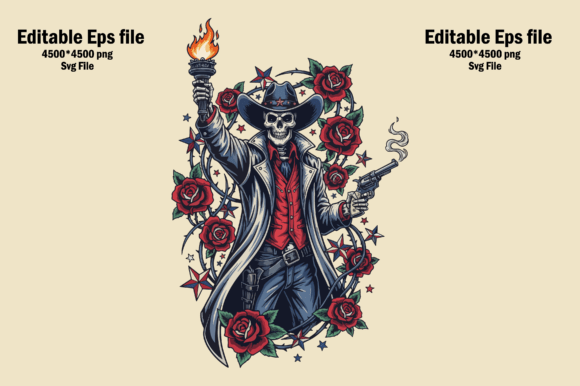
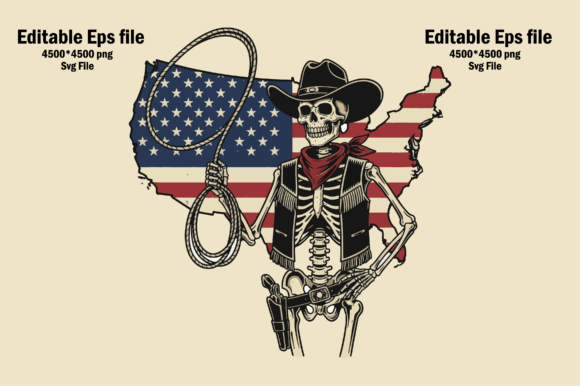
The first thing that stands out about Skeleton Cowboy with Usa Backdrop is its strong visual personality. It’s a fun take on Americana, blending classic western iconography with a modern twist. The skeleton figure is stylized yet detailed enough to maintain interest, and the USA-themed backdrop adds a patriotic flair without being over the top. The layout feels balanced, with the cowboy centered and the background elements supporting rather than overshadowing the main subject.
From a design perspective, this graphic creates a mood of playful nostalgia. It’s perfect for those who want to add some character to their handmade or commercial products while keeping things lighthearted. The theme suggests it could work well in custom apparel, especially items like sweatshirts or tote bags where bold imagery is appreciated. However, as a seasoned embroiderer, I know that looks on screen don’t always match reality after stitching, so let’s dig deeper.
Real-World Performance Across Products
Embroidering Skeleton Cowboy with Usa Backdrop onto a sweatshirt or t-shirt would showcase the design's strengths. The cowboy silhouette is solid, which means it should hold up well with satin stitch techniques, giving it a polished look. The background elements—stars, stripes, and subtle details—are more delicate and might require careful handling of fill stitches to avoid distortion.
For tote bag designs, the graphic’s scale and clarity are important factors. If sized correctly, it can become a focal point without overwhelming the canvas. On aprons or pillow covers, the same applies—this design can elevate simple household items into conversation starters. Its versatility makes it a good fit for craft business owners looking to diversify their offerings with themed graphics.
When it comes to baby clothes or nursery decor, the design may need toning down. The boldness of the skeleton and the backdrop could feel too intense for younger audiences. That said, if you're creating personalized gifts for older kids or teens, this could be a hit. The key is knowing your target market and adjusting the placement and size accordingly.
Cap and hat embroidery projects are another consideration. The design is likely too large for most standard caps unless heavily simplified. Curved surfaces can cause issues with alignment and stitch tension, so keep that in mind if you're planning to use it on headwear.
Where to Use with Caution
While Skeleton Cowboy with Usa Backdrop is visually engaging, there are scenarios where it might not perform as expected. For instance, if you're working with small hoop sizes, you may find the detail-heavy backdrop difficult to manage. The intricate parts won’t render clearly in tight spaces, potentially leading to stitch breakage or visual clutter.
- Textured fabrics: The graphic relies on clean lines and consistent stitch density. Textured materials like flannel or denim can distort these features, making the final result less crisp.
- Thin or stretchy fabrics: These can cause the design to pucker or shift during stitching, especially in dense areas like the cowboy’s facial details or the flag pattern.
- Dark fabric backgrounds: Thread color contrast is essential here. Without a light-colored base, the design could appear washed out or lose definition.
- Layered garments: If you’re embroidering over seams or multiple fabric layers, the stabilizer choice becomes even more critical to maintain shape and prevent shifting.
I’ve found that when using similar designs, testing them on scrap fabric first is always a smart move. You’ll get a better sense of how the stitch types react and whether the colors pop as expected. Also, make sure to review the stitch density settings—some parts of the design may need adjustments depending on the fabric you're working with.
Thread Color and Fabric Compatibility
This design includes multiple thread colors, which is great for adding depth and visual interest. But it also means that the finished product depends heavily on the quality of the thread and the machine used. As an embroidery project reviewer, I recommend checking the thread color palette against your intended fabric to ensure maximum visibility and contrast.
If you plan to use it for holiday gifts or boutique branding, consider offering a black-and-white mockup version. Some customers prefer monochrome designs for specific occasions or to match brand aesthetics. Comparing how the design looks on both light and dark fabric backgrounds can also help you determine the best use cases.
Design Impact on Product Value and Branding
In the world of handmade products, visual appeal plays a huge role in buyer engagement. Skeleton Cowboy with Usa Backdrop has the potential to make your custom apparel stand out in a crowded Etsy listing or craft fair booth. It adds character and uniqueness, which is exactly what buyers are looking for when choosing personalized gifts or branded merchandise.
However, the level of detail in the background means that if not properly stabilized or adjusted, the stitching may not reflect the same sharpness as the original digital file. This could affect the professionalism of your finished product, especially in commercial embroidery contexts where consistency is key.
That said, when executed well, this design can significantly enhance the perceived value of your items. Whether it's a festive holiday gift or a trendy tote bag for a small shop, the right application can make all the difference in terms of recognition and customer trust.
Designer Notes for Practical Use
- Test on scrap fabric: Always run a trial before committing to a full project. This helps identify any issues with stitch flow or tension early on.
- Check thread color contrast: Especially on dark fabrics, make sure the colors remain visible and don’t fade into the background.
- Review stitch density: Dense areas like facial features or flags may need thinning out slightly to prevent puckering or excessive bulk.
- Confirm hoop size: If the design is going to be used in high-volume production, verify that it fits within the commonly available hoop dimensions to streamline workflow.
- Inspect small details: Look at the corners and fine elements—these can easily be lost if the design is scaled down or stitched on a textured surface.
- Use proper stabilizer: Depending on the fabric type, tear-away, wash-away, or cut-away stabilizers may be necessary to preserve the integrity of the design.
- Test in black and white: Sometimes, simplifying the design gives it a cleaner, more versatile appearance, especially for digital product previews.
- Compare light and dark fabric backgrounds: This will help you understand the range of applicability for the design.
- Check licensing: Before selling the finished product or including it in digital listings, confirm the licensing allows for commercial use.
Best Applications and Project Ideas
Skeleton Cowboy with Usa Backdrop shines brightest on larger, flat surfaces where the details have room to breathe. Think of it as a statement piece for tote bag designs or sweatshirt embroidery. It could also work well as an embroidered patch for jackets or denim vests, provided the sizing is appropriate.
For Etsy sellers and small shop product creators, this design offers a unique angle that can differentiate your line from generic offerings. Pair it with complementary graphics or text to create cohesive collections for holidays, birthdays, or themed events. The transparent PNG and SVG formats included make it easy to preview and integrate into printable mockups, helping buyers visualize the final product accurately.
It’s also worth noting that this design is part of the broader T-Shirt Designs and Graphics category, which means it should be treated with the same care and consideration as other high-detail embroidery files. When designing for a commercial embroidery project, always double-check the compatibility with your machine and software to avoid technical hiccups.
A Designer’s Perspective on Customer Reaction
From a customer standpoint, the Skeleton Cowboy image is memorable and has a clear visual identity. People either love it or think it’s too edgy, but there’s no denying it turns heads. In the right context—like a Halloween-themed tote or a western-inspired baby item—it can generate positive reactions and even become a signature piece in your lineup.
What’s crucial is ensuring that the stitching reflects the same level of creativity as the design itself. If the final product appears rushed or poorly rendered, it could harm your reputation as a seller or designer. On the flip side, when done right, it can boost brand consistency and increase repeat purchases, especially among customers who appreciate novelty and thematic variety.
As a reviewer, I’d say this design works best when matched with the right product and audience. It’s not a one-size-fits-all solution, but for the right project, it can be a standout addition to your design assets library.
Final Thoughts for Embroidery Designers and Makers
After evaluating Skeleton Cowboy with Usa Backdrop through various lenses—from personal gifts to commercial applications—I believe it’s a solid choice for designers who want to add a touch of whimsy and patriotism to their work. It’s not without its challenges, particularly in smaller formats or on tricky fabrics, but with the right preparation and execution, it can deliver impressive results.
Remember, the success of any machine embroidery design lies in how well it translates across mediums. So take the time to test, adjust, and refine before moving into production. This will ensure that your handmade product maintains its charm and quality, no matter where it ends up.
Whether you're an embroidery product reviewer, a craft business owner, or a hobbyist exploring new ideas, this design deserves a place in your toolkit—if only for the creative possibilities it opens up. Just be sure to approach it with the same thoughtful process you'd apply to any embroidery file worth investing in.