Western Leather Cactus: A Bold Embroidery Graphic for Creative Projects
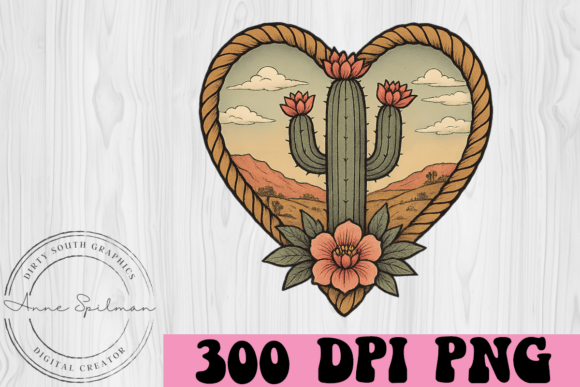
When I first laid eyes on the Western Leather Cactus digital embroidery graphic, I was drawn to its rugged charm and stylized simplicity. This isn’t your average floral or geometric pattern—it’s a statement piece with a distinct personality that screams “handmade authenticity.” The 300 dpi .png format offers a clean, color-rich image with a transparent background, making it versatile for layering and blending with other design elements. As an experienced designer who frequently works with machine embroidery files for real-world projects, I know how important it is for graphics to look great both in theory and in practice. Let’s dive into what makes this design worth considering—and when to use it with caution.
First Impressions: Rugged Elegance Meets Modern Design
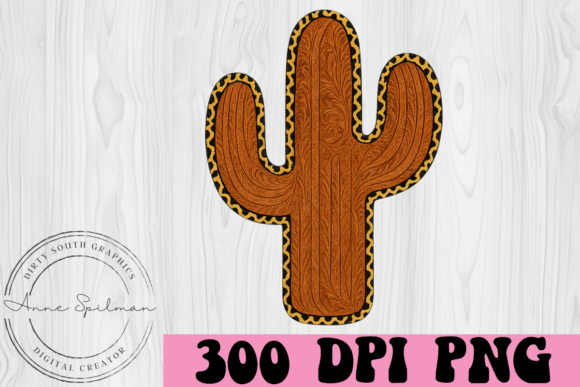
The Western Leather Cactus feels like it was born from the American Southwest. Its bold lines, stylized spines, and muted earth tones give it a sense of grounded sophistication. The cactus sits prominently in the center, surrounded by subtle shading and texture that mimic leather grain—this adds depth without overwhelming the design. It’s clear this illustration is meant to evoke a sense of durability and character, which makes it a natural fit for custom apparel, tote bags, and handmade accessories.
I immediately thought about how this would look stitched onto a heavy-duty denim apron or a cozy sweatshirt. The visual weight of the design suggests it belongs on larger surfaces where it can breathe and be appreciated in full. But before jumping in, I always ask myself: How will this translate from screen to fabric? Will the details hold up under stitching pressure? And does it bring value to the finished product?
Real-World Application: Sweatshirts, Totes, and More
Let’s imagine a practical scenario: You’re preparing a custom embroidered sweatshirt for a boutique line of western-themed activewear. The Western Leather Cactus could become the central motif on the back or chest area. Because it’s a raster-based .png (not SVG), you’ll need to work with pixel dimensions rather than scalable vector paths. At least 2500 pixels on one side gives you a decent amount of detail to play with, but it’s not infinitely scalable.
- Tote Bags: On a cotton canvas tote, the cactus stands out beautifully. Its texture complements the fabric’s roughness, giving the bag a premium, artisanal feel.
- Custom Apparel: For sweatshirts or hoodies, consider using a satin stitch around the main shape and fill stitches inside to maintain clarity. The design’s size allows for placement without crowding, especially if paired with minimal text.
- Baby Clothes & Holiday Gifts: While the cactus itself may not scream “baby,” with the right framing and soft thread colors, it can transition into a whimsical holiday gift or nursery decor piece. Just make sure the stitch density is light enough for delicate fabrics.
- Embroidered Patches: If you plan to digitize this as an applique design, keep an eye on the corners and fine details. They might require some manual tweaking in your software to avoid distortion during cutting or stitching.
Where Caution Is Key: Textured, Stretchy, and Small Surfaces
While the Western Leather Cactus has strong appeal, it’s not a one-size-fits-all solution. Here are some situations where you should take a closer look:
- Small Hoop Sizes: The design’s scale means it won’t look right in tight hoop spaces. You’d need to resize it carefully, which could lead to loss of detail or proportion issues.
- Textured Fabrics: The intricate shading and texture in the graphic might not stitch cleanly on materials like flannel or felt. Test it out on scrap first to see how well the stitch patterns hold.
- Stretchy or Thin Materials: Dense stitch areas could cause puckering on stretchy knits or thin cottons. Consider reducing stitch density or using a lighter running stitch for these applications.
- Dark Fabric Backgrounds: The muted palette might get lost against darker shades. Always check thread color contrast—lighter threads on dark fabric can help the design pop while maintaining its rustic vibe.
- Curved Surfaces: If you're thinking of using this for cap embroidery or curved patches, remember that raster images don’t adapt as easily to irregular shapes. Manual adjustments in your embroidery software will likely be needed.
Visual Appeal and Stitch Clarity: What Customers See Matters
One of the biggest concerns for any embroidery designer is whether the final product looks professional. The Western Leather Cactus brings a lot of visual interest through its layered textures and subtle gradients. When stitched correctly, it adds a touch of uniqueness to handmade products and small shop merchandise.
However, because it's a .png file, you’ll have to rely on your digitizing skills to convert those gradients into effective fill or running stitch patterns. If done well, customers will notice the quality and attention to detail. Poorly executed, and it might appear muddled or flat. This is why I always recommend testing the design on a few different fabrics before committing to a production run or Etsy listing.
Thread Colors and Fabric Texture: Matching the Mood
For me, thread selection is key when working with graphics like Western Leather Cactus. The original artwork uses warm, earthy tones, so sticking to similar hues—like olive green, tan, rust red, or even black—can preserve the intended mood. But if you want to modernize it or create a contrast, experimenting with metallic or pastel threads could yield interesting results.
Fabric choice also plays a big role. Heavier, matte fabrics like twill, linen, or canvas work best to highlight the design’s texture. Avoid shiny or stretchy materials unless you’re prepared to adjust the stitch types accordingly.
Professional Presentation Tips for Craft Business Owners
If you're planning to sell this as part of a digital embroidery file package or include it in printable mockups for your Etsy listings, here are a few things to consider:
- Use high-quality mockup templates to showcase the design on various products like aprons, tea towels, or baby onesies.
- Test the design in black and white to ensure it still holds visual interest if printed or displayed in grayscale.
- Check how it looks next to other design assets—does it complement your brand’s aesthetic or clash?
- Confirm licensing terms before selling it as part of a commercial project. Since no license info is included in the provided description, reach out to the seller or review their policies carefully.
Customer Trust and Brand Consistency: Does It Fit Your Vibe?
As a creative entrepreneur or Etsy seller, the designs you choose speak volumes about your brand. The Western Leather Cactus fits naturally into themes like rustic, cowboy, desert, or southwestern décor. It’s not too flashy, not too simple—it’s just right for a niche audience looking for meaningful, handcrafted touches.
Using this design consistently across your product range can help build recognition. Whether it's on a pillow cover, apron, or personalized mug, having a signature graphic enhances the perceived professionalism and trustworthiness of your handmade shop. Customers start to associate the style with your brand, increasing loyalty and repeat sales.
Designer Notes: Practical Steps Before Committing
Here’s my checklist when evaluating an illustration like Western Leather Cactus for real embroidery use:
- Test it on scrap fabric to see how the stitch patterns behave.
- Review the stitch density—too much could cause puckering; too little might lose definition.
- Inspect small details like the tips of the cactus spines to ensure they’re not too fragile to stitch accurately.
- Compare it on light and dark backgrounds to determine optimal thread colors.
- Make sure the hoop size matches the design’s dimensions to prevent stretching or misalignment.
- Use proper stabilizer, especially if working with thinner or stretchier materials.
- Confirm whether it’s suitable for both personal and commercial embroidery projects.
Final Thoughts: A Design with Character
The Western Leather Cactus is more than just a pretty picture—it’s a design that tells a story. From my experience, it shines brightest on larger, sturdier items where its texture and scale can be fully appreciated. Whether you're an apparel decorator, a hobbyist creating personalized gifts, or a digital product seller crafting printable mockups, this graphic has the potential to elevate your offerings.
But as with any embroidery design, success comes down to thoughtful application. Take the time to understand how it behaves under different conditions, and don’t hesitate to tweak it for better stitch clarity or visual impact. With the right approach, Western Leather Cactus can become a valuable asset in your design toolkit—one that adds both visual appeal and emotional resonance to your finished products.