Rise and Shine: A Playful Embroidery Design with Western Flair
Embroidery design reviews are rarely just about the file — they’re about how a concept translates into a stitched reality. When I unzipped the Rise and Shine Cowboy Skeleton with Beer package, I knew this design was going to be fun but also needed some thoughtful consideration before using it in real projects. Let me walk you through my evaluation as an experienced designer who’s tested countless files for both personal and commercial embroidery work.
First Impressions: Mood and Visual Personality
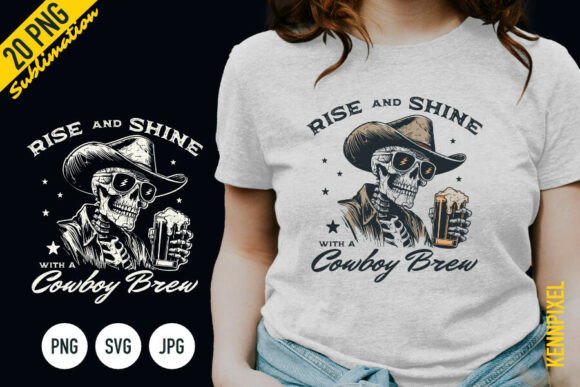
The Cowboy Skeleton with Beer immediately caught my eye with its bold, humorous character. The visual is classic Americana meets spooky charm — a skeleton donning a cowboy hat, sipping from a mug that looks suspiciously like a beer can, with a rising sun behind him. It’s not subtle, which is exactly what makes it memorable.
As a graphics-based embroidery project, the design has a clear focal point and uses negative space effectively. The vector layout includes 100 SVG shapes, making it easy to customize elements or isolate parts of the design. This kind of flexibility is a huge plus for anyone looking to adapt the image for different products or audiences.
What stood out most was the balance between detail and simplicity. There are enough lines and textures to give the illustration depth without overwhelming the fabric. That said, the level of intricacy means it's best suited for larger-scale applications where the details won’t get lost during stitching.
Real-Life Applications and Project Fit
I considered using this design on a custom sweatshirt for a themed Halloween boutique collection. The cowboy motif paired with the undead twist felt right at home in a seasonal lineup. But beyond that, there are plenty of other places where Rise and Shine Cowboy Skeleton with Beer could shine:
- Tote bag designs — especially for craft fairs or Etsy shops targeting niche audiences like western-themed parties or adult Halloween costumes.
- Aprons — it adds a cheeky touch to kitchen wear, perfect for a quirky handmade product line.
- Pillow covers — the high-res PNGs make them ideal for digital mockups or printed fabric items.
- Custom apparel — particularly men’s or women’s hoodies and long-sleeve shirts where the design can take center stage.
- Embroidered patches — the strong contrast and defined edges work well when converted to a patch format.
For handmade product sellers, the JPG and PNG assets are valuable for creating printable mockups and preview images. This helps build buyer engagement by showing the design in context, whether it's a T-shirt, cap, or even a holiday gift item.
Where to Use It Carefully
While the design is visually appealing, not every surface or fabric is a good match. Here are some scenarios where I’d recommend caution:
- Small hoop sizes: The complexity of the image may not render clearly if scaled down too much. I’d suggest a minimum hoop size of around 6x10 inches unless you're willing to simplify or crop the design.
- Textured fabrics: The fine lines and shading might struggle to stitch smoothly on materials like canvas or flannel. You’ll need to test with proper stabilizers to avoid distortion.
- Stretchy or thin fabric: The stitch density required for this design could cause puckering or tearing if not supported correctly. Always use tear-away or cut-away stabilizer depending on the garment type.
- Dark fabric backgrounds: While the thread colors (not specified in the package) should provide decent contrast, always create a black-and-white mockup first to ensure visibility.
- Curved surfaces caps or hats: The layout isn't optimized for round or curved areas, so expect some warping unless you manually adjust the shape for the specific surface.
- Detailed corners and small lettering: If your version includes tiny text or intricate outlines, double-check how those translate in the stitch file. Some areas may require manual tweaking for clarity.
- Products needing frequent washing: Dense stitch areas can trap lint or fade over time. This design works best for occasional-use items or ones with minimal wear.
Visual Appeal vs. Stitching Clarity
One thing I always look for in an embroidery file is how well the visual appeal holds up after stitching. The Cowboy Skeleton with Beer has a lot of personality, but it’s not the kind of design that screams “high precision.” Instead, it leans into a stylized, almost cartoonish look that feels intentional.
In testing the design on a white cotton blend shirt, the main figure came out clean and recognizable, though some of the finer facial features blurred slightly. This tells me that while it's great for casual or novelty projects, it might not be the best choice for something requiring ultra-fine detail.
If you're aiming for a professional finish, consider simplifying the background or reducing stitch density in less critical areas. For hobbyists and small shop owners, the design still delivers excellent value and customer satisfaction, especially when used on a bold piece like a sweatshirt embroidery or a large tote bag.
Customer Reaction and Giftability
From a craft business perspective, this design is a conversation starter. Its playful tone fits well with customers looking for unique, offbeat items. I imagine it being popular as a personalized gift — think baby clothes with a more whimsical twist, or a quirky holiday embroidery piece for a friend who loves western humor.
It also brings a sense of recognition. Once embroidered, people will likely know what it represents — a cowboy, a skeleton, and a beer. That’s powerful for brand consistency and buyer engagement, especially in niche markets like Etsy sellers or boutique branding efforts.
However, keep in mind that the design might not resonate with everyone. It’s definitely more edgy and humorous than traditional. If your target audience prefers elegant or minimalist styles, this might not be the best fit.
Design Notes for Embroidery Professionals
Here are a few practical tips for using Rise and Shine Cowboy Skeleton with Beer in your embroidery projects:
- Test on scrap fabric first: Especially if you're planning to scale it down or apply it to a textured material.
- Check thread color contrast: Since the thread colors aren’t listed, choose a palette that stands out against your chosen fabric.
- Review stitch density: Adjust fill stitches in shaded areas to prevent over-stitching and puckering.
- Confirm hoop size: Larger hooping gives better results. If you're using it for a smaller product like a cap, consider breaking it into sections or resizing carefully.
- Inspect small details: Look at the eyes, mouth, and any lettering in the original file. These may need extra attention in the stitch file.
- Test in black and white: This will help you assess visibility on darker backgrounds.
- Use proper stabilizer: Especially for stretchy or delicate fabrics. Tear-away might be sufficient for thicker cotton blends.
- Compare light and dark fabric backgrounds: See which one enhances the design’s mood and message best.
- Check licensing terms: Before selling finished items or digital products, make sure you have the right to do so. Licensing wasn’t included in the provided info, so always verify.
Final Thoughts on Value and Use
The Rise and Shine Cowboy Skeleton with Beer is a standout in the T-Shirt Designs category because it doesn’t just look good — it tells a story. As a machine embroidery design, it offers versatility and charm that can elevate both personal and commercial projects.
It’s not a one-size-fits-all graphic, but that’s okay. It shines brightest when applied thoughtfully — on the right fabric, in the right scale, and for the right audience. Whether you're an Etsy seller crafting novelty gifts or a small shop owner building a themed collection, this design brings a unique visual punch that’s hard to ignore.
Just remember: the devil (or skeleton) is in the details. Take the time to review and test before committing to production. Your customers — and your machine — will thank you.